
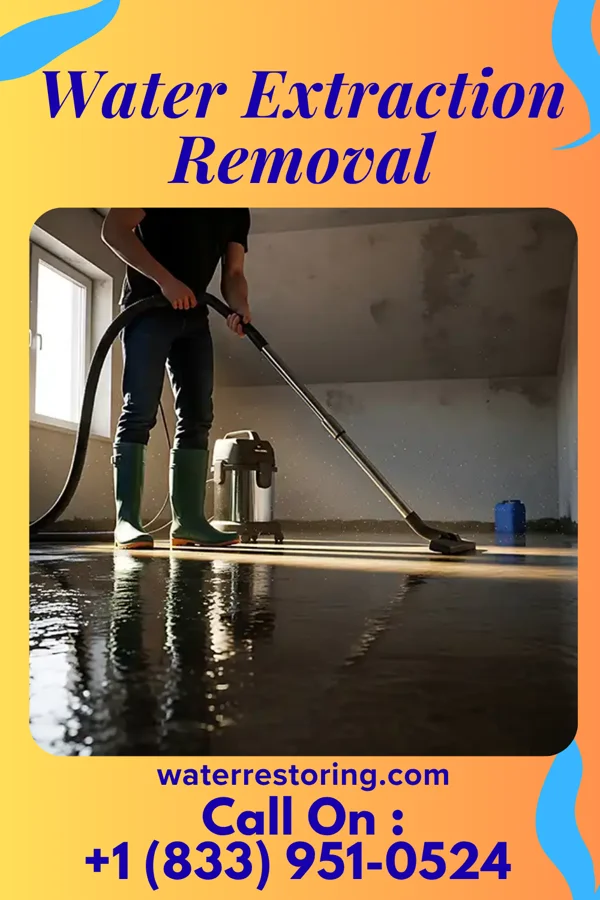
Why Fast Water Extraction Matters in Houston
Most water damage emergencies in Houston start with tropical storm and hurricane flooding from stalled weather systems. From the second water touches the property, every minute changes what gets saved and what gets ripped out.
Houston sits on nearly flat coastal plain just 50 miles from the Gulf of Mexico, making it extraordinarily vulnerable to slow-moving tropical systems that can dump catastrophic rainfall with nowhere to drain. The city averages over 49 inches of rain annually, and its clay-heavy soils become saturated quickly, forcing water into homes through foundation gaps, doorways, and overwhelmed drainage systems. Harris County contains more than 2,500 miles of bayous and waterways that regularly overflow during major rain events, meaning residential flooding is not a rare occurrence but a near-annual threat for tens of thousands of property owners.
Most water extraction removal calls in Houston come from tropical storm and hurricane flooding from stalled weather systems. Local mold risk: Houston consistently ranks among the most humid major cities in the United States, with average relative humidity exceeding 75% for most of the year and regularly surpassing 90% during summer mornings. These ambient moisture levels mean that wet drywall, carpet padding, and wood framing never have a chance to begin air-drying on their own—conditions inside a flooded Houston home are essentially a petri dish for Stachybotrys and Cladosporium mold colonies. Because temperatures rarely drop below 60°F even in winter, there is no seasonal slowdown in microbial growth, making professional extraction and industrial dehumidification the only way to prevent mold from establishing within the first 24 to 36 hours after water intrusion.