
Common Burst Pipe Causes in Houston
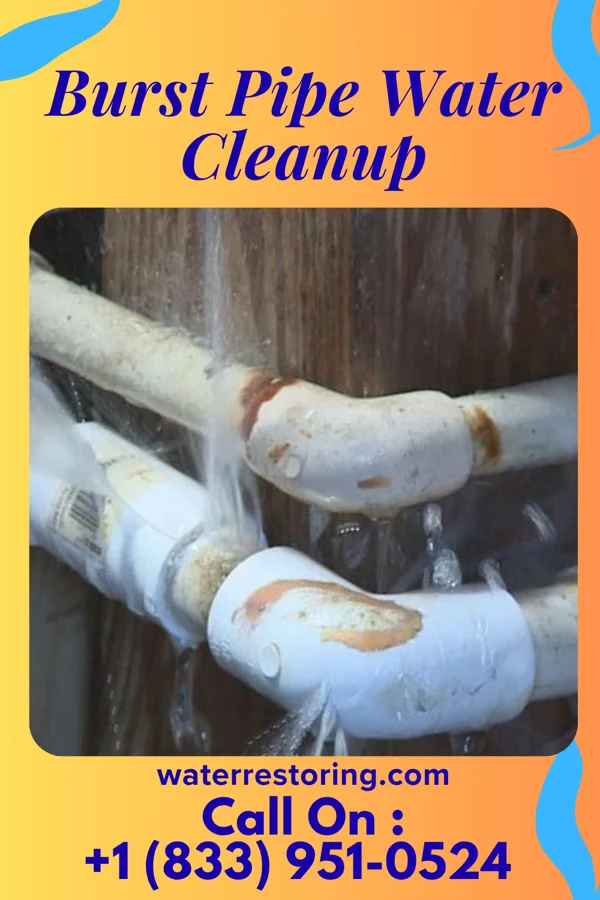
Most burst pipe water cleanup calls in Houston come from rare hard freeze events in uninsulated attic and exterior wall pipes, as Houston homes are built for heat tolerance with little to no pipe insulation. A close second is corrosion and joint failure in aging cast iron and galvanized supply lines found in older Houston neighborhoods like Montrose, the Heights, and the East End. If you know what is about to happen, the decisions during the first 48 hours get a lot easier.
Houston's plumbing is engineered for a subtropical climate with over 200 frost-free days per year, meaning pipes in attics, garages, and exterior walls are almost never insulated against freezing temperatures. When Arctic cold fronts push temperatures below 28°F — as they did catastrophically during Winter Storm Uri in February 2021 — unprotected pipes throughout an entire home can rupture simultaneously within hours. Houston's clay-heavy soil also shifts seasonally, placing stress on underground supply lines and slab-penetrating pipes that can weaken joints and accelerate failure during temperature swings.
Most burst pipe water cleanup calls in Houston come from rare hard freeze events in uninsulated attic and exterior wall pipes, as Houston homes are built for heat tolerance with little to no pipe insulation. Running a close second is corrosion and joint failure in aging cast iron and galvanized supply lines found in older Houston neighborhoods like Montrose, the Heights, and the East End. Local mold risk: Houston's average relative humidity regularly exceeds 75 percent, and summer ambient temperatures stay above 85°F — conditions that allow mold spores to begin colonizing wet drywall, insulation, and wood framing within 24 to 48 hours of a burst pipe event. Unlike drier climates where structural materials can tolerate moisture for several days, Houston's warm and persistently humid environment accelerates microbial growth year-round with virtually no seasonal slowdown. Every burst pipe cleanup we perform in the Houston area includes application of EPA-registered antimicrobial agents to all exposed structural cavities as a standard protective measure, not an optional add-on.